The price difference between electric forklifts shown on some online product listings and our quotation is mainly driven by differences in configuration, compliance, and manufacturing standards rather than identical products being sold at different prices. In many low-cost offers, the advertised price often refers only to a basic unit and does not include essential components such as the battery or motor. Some suppliers reduce costs by using lower-grade materials, such as standard steel and lead-acid batteries, which significantly lowers the initial price but also reduces performance, durability, and service life. In addition, certain products may not include internationally recognized certifications such as CE or EAC, which are required for export compliance in many markets. In some cases, the equipment may also be refurbished or non-standard units rather than fully new and certified machines, which further explains the lower price level.
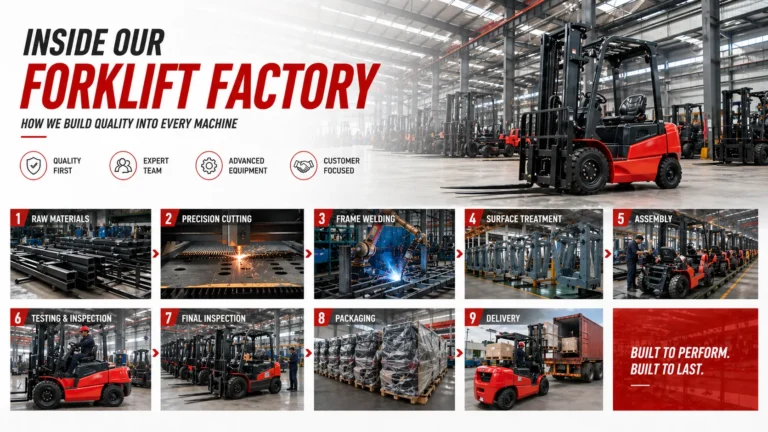
In contrast, our pricing reflects a complete, ready-to-operate solution where all core systems and compliance requirements are included. We use higher-performance lithium battery systems and industrial-grade motors that provide longer service life, higher energy efficiency, and more stable operation compared to basic configurations. Our manufacturing process also follows stricter standards, including the use of corrosion-resistant high-strength steel and multi-stage inspection procedures throughout production. These steps increase manufacturing cost but significantly improve product reliability, safety, and long-term durability. At the same time, our forklifts are delivered with full international certifications and export documentation, ensuring smooth customs clearance and compliance with destination country regulations.
Low-cost offers found on independent websites or general online listings may appear attractive due to their lower initial investment, but they can involve hidden risks in both customs clearance and long-term operation. Without valid and verifiable certifications, shipments may face delays, additional inspections, or even rejection depending on the import requirements of the destination country. From an operational perspective, lower-spec components typically lead to shorter battery life, reduced structural strength, and more frequent maintenance requirements. Over time, these issues can significantly increase the total cost of ownership, even if the initial purchase price is lower. Therefore, it is important to evaluate equipment not only based on upfront cost, but also on compliance, reliability, and lifecycle performance.
It is not possible for us to reduce our pricing to match low-end market listings while maintaining the same technical specifications and product quality. A significant price reduction would require lowering component quality, simplifying production processes, and removing certification and after-sales support. These changes would directly affect performance, safety, and service life, which would not align with our product standards. Instead, we focus on providing optimized solutions that balance budget considerations with long-term operational value, ensuring stable performance and predictable maintenance costs.
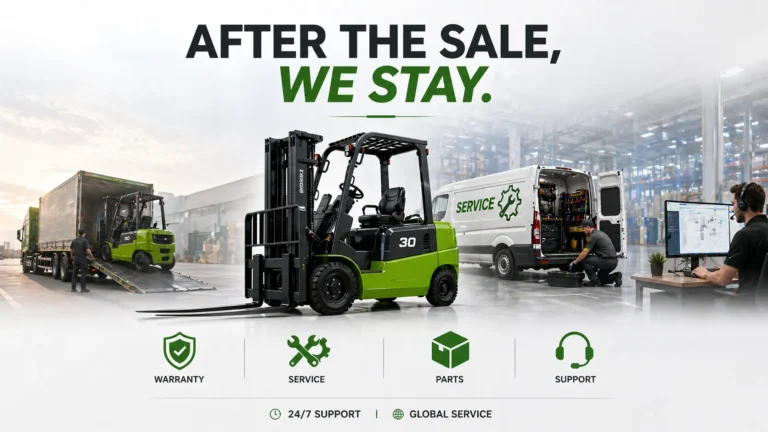
The approximate 3,000 USD price difference can be explained across several key areas, including the power system, structural materials, manufacturing process, certification requirements, and after-sales support. Higher-quality lithium battery systems and industrial motors account for a significant portion of the difference compared to basic lead-acid solutions. Similarly, the use of corrosion-resistant high-strength steel and more detailed production and testing procedures increases durability but also raises manufacturing costs. Full international certification and compliance documentation further add to the cost structure, while structured after-sales service and spare parts availability contribute to long-term operational value.
For products not manufactured by us, we are unable to provide technical support, certification assistance, or maintenance services due to differences in design, components, and compliance systems. This is particularly important in customs clearance situations, where only the original manufacturer can provide valid documentation and support. Therefore, we strongly recommend selecting equipment that comes with complete certification, verified compliance, and reliable after-sales service to avoid unnecessary operational risks and additional costs.